
Home theater wall panels

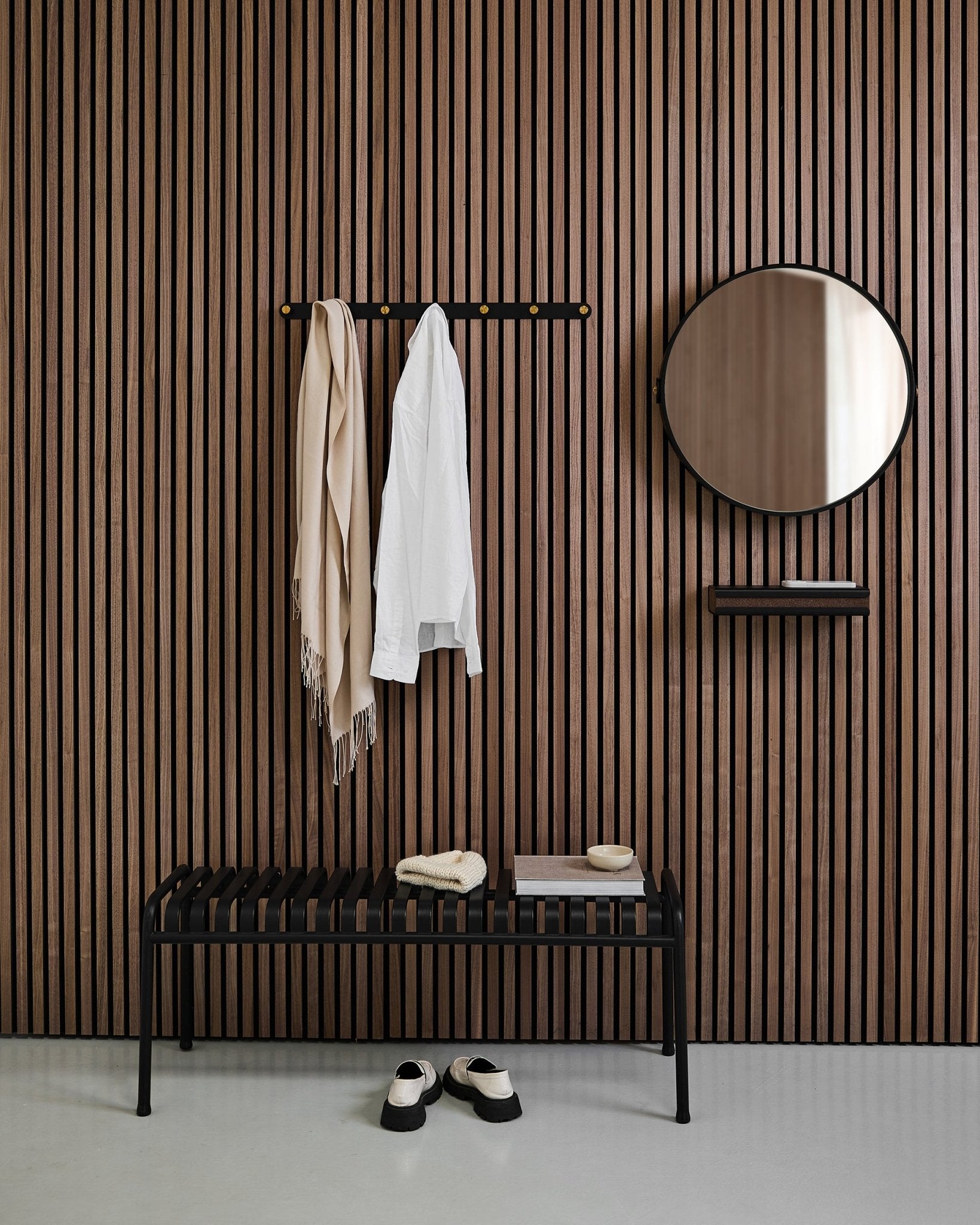
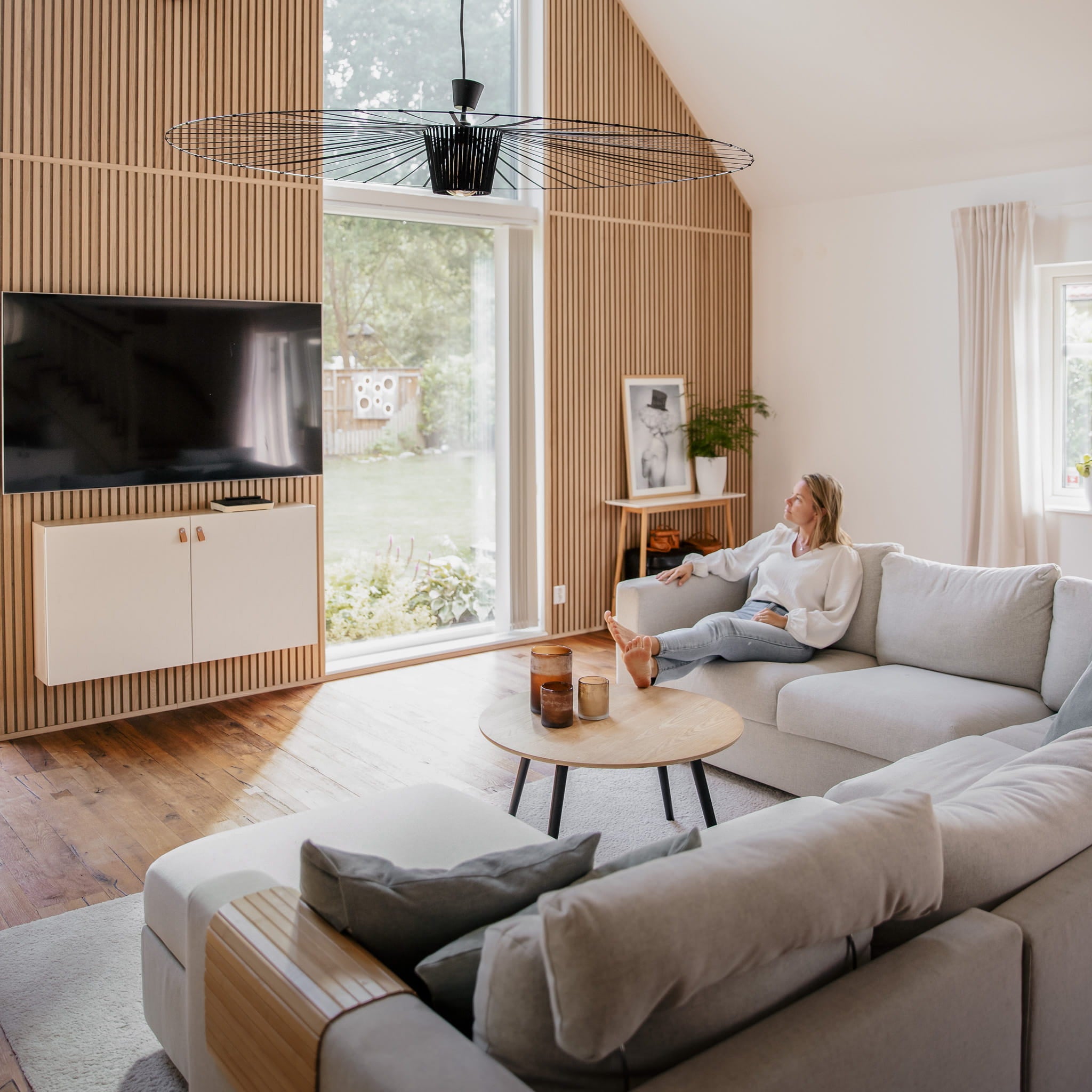
A home theater should pull you into the film, not the echo of the room. Wall panels give your cinema room a warm, designed look and soften the sound bouncing off bare walls. Choose dark tones that disappear when the lights go down, or warm oak for a room you enjoy with the lights on too. Explore home theaters built with WoodUpp and get ideas for your own.

Czytaj więcej

A home theater should pull you into the film, not the echo of the room. Wall panels give your cinema room a warm, designed look and soften the sound bouncing off bare walls. Choose dark tones that disappear when the lights go down, or warm oak for a room you enjoy with the lights on too. Explore home theaters built with WoodUpp and get ideas for your own.

Why a home theater needs acoustic treatment

Good speakers are only half the job. In a room with bare walls, sound reflects back and forth before it reaches you. Dialogue gets harder to follow, and bass and effects blur together. Acoustic treatment reduces those reflections so you hear what the sound engineer intended. Akupanels have wood slats on an acoustic felt backing with Class A sound absorption. They catch reflections on the walls around you and make the room sound tighter and clearer.

Where to place panels in a cinema room

Start with the side walls between your seats and the screen. That’s where the first reflections hit before they reach your ears. Next, treat the back wall behind the seats so sound doesn’t bounce back toward you. The wall behind the screen is a good place for a full panel wall that frames the screen and absorbs sound. Akupanels also work on ceilings, which helps in rooms with a low or hard ceiling.

Dark tones for a real cinema feel

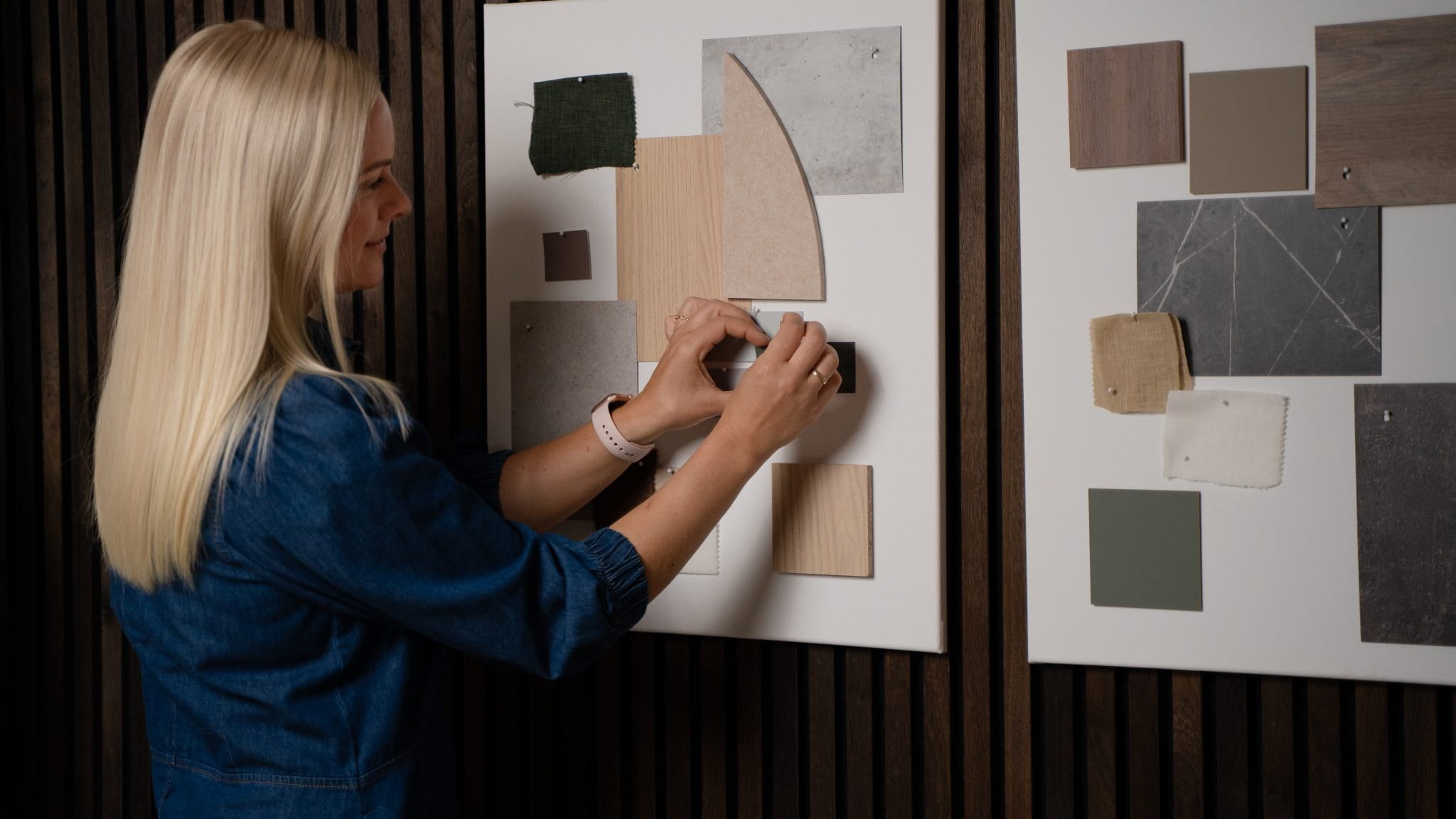
A dedicated home theater gets the most out of dark finishes. Black or smoked tones reflect less light from the screen, so the image looks sharper and the walls fade away when the film starts. If your home theater is also a family room, warm wood on one wall and darker tones on the others give you a room that works both day and night. See the photos above for combinations that work.

A room that feels finished

Many home theaters are built in basements or spare rooms, and it shows when the walls are left bare. Wall panels give the room structure and warmth in one step. Add soft Lumi LED light behind the panels for low ambient light during a film. You can also hide speaker and HDMI cables between the slats with the Pop-On cable cover.

Easy to install yourself

You don’t need a contractor to treat your home theater. Cut the panels to size with a fine-toothed saw and screw them straight into drywall, brick or wooden battens. The felt edges overlap, so the joints between panels disappear. Most walls are done in a few hours.